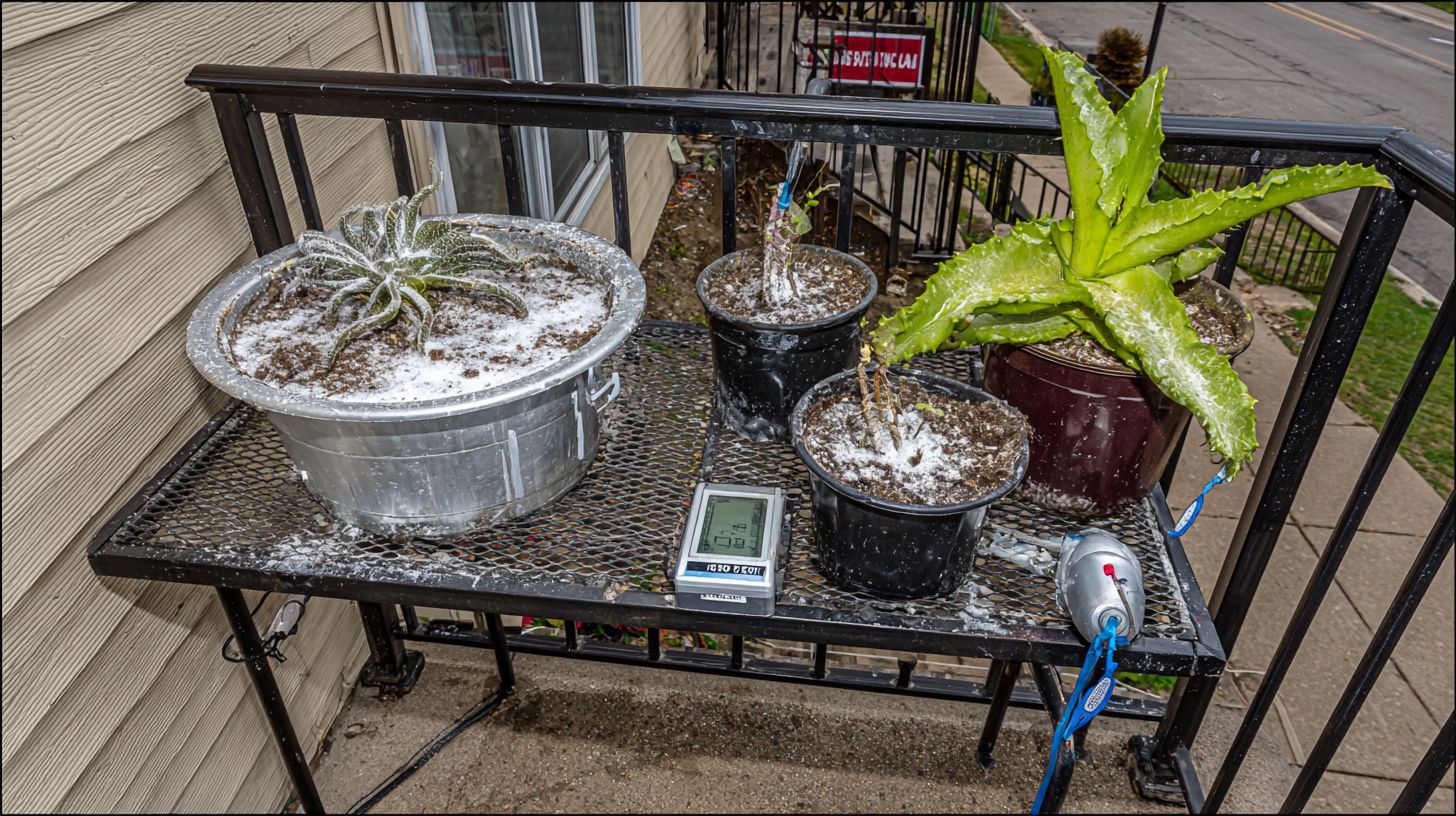
Shade balcony gardens face a hidden challenge: excess moisture that silently threatens plant health. Limited sunlight and poor airflow create ideal conditions for root rot and mold, often before symptoms appear. This guide outlines container selection, soil composition, drainage techniques, and air circulation strategies proven to reduce moisture-related risks. Learn how to protect your plants through targeted watering methods and consistent monitoring-before damage takes hold.
Understanding Shade Balcony Moisture
Shade balcony gardens retain 35-50% more humidity than full-sun setups due to reduced evapotranspiration and limited air movement. This creates persistent dampness around container plants and increases risks of root rot and mold development. Moisture control becomes essential in these cooler environments.
Reduced light lowers evapotranspiration rates significantly while creating microclimates that are 10-15 degrees cooler than nearby sunny areas. These temperature differences slow water evaporation from soil surfaces and foliage. Air circulation often remains restricted along building walls and railings.
Specific moisture sources include morning dew accumulation on leaves, rainwater trapped in railing planters, and condensation from nearby building walls. These inputs combine with poor drainage to create waterlogged soil conditions. Soil moisture meters and hygrometers help track these levels accurately throughout the day.
Shade cloth effects on humidity levels vary between spring growth periods and winter dormancy. During active growth, plants transpire more while cooler temperatures slow drying. Seasonal variations require adjusted watering schedules and increased attention to ventilation needs.
Choosing the Right Containers
Terracotta pots lose moisture 25% faster than plastic containers, making them better for shade balcony gardens where evaporation is naturally reduced. The porous nature of these clay vessels allows excess water to escape through the sides. This quality helps prevent waterlogged soil and reduces the chance of root rot.
Plastic containers retain moisture longer than other options. They work well when paired with a soil moisture meter to track dampness levels. Choose UV-resistant models that withstand balcony conditions without cracking over time.
Fabric pots deliver excellent aeration for container plants. These breathable options range from 5 to 15 gallon capacities and promote soil aeration through their sides. Good airflow around roots supports healthy growth in humid environments.
Self-watering pots use a wick system that holds a two-week water reserve. The design limits overwatering risks when used correctly. Always verify the wick stays clean to avoid mold development in the reservoir.
Drainage requirements stay consistent across container types. Install minimum 3/8-inch holes in the base of each pot. Add a gravel layer one inch deep at the bottom before filling with potting mix.
Matching saucers catch excess water and protect balcony surfaces. Empty these trays regularly to stop standing water from creating humidity issues. Consistent drainage prevents fungal growth around plant bases.
Railing planters measuring 12 to 18 inches in depth maximize limited balcony space. Vertical wall systems allow multiple plants to grow without crowding the floor area. Both options improve air circulation when positioned with adequate spacing between foliage.
Soil and Drainage Essentials
Shade balcony containers need potting mixes with 30 to 40 percent drainage amendments to prevent waterlogged soil in low evaporation environments. Quality potting soil forms the foundation while additional components improve airflow around roots. This balance helps reduce risks of root rot and mold in humid conditions.
Custom mixes work well when prepared with specific ratios. Combine 50 percent quality potting soil with 20 percent perlite, 15 percent coco coir, and 15 percent bark chips. These amendments increase soil aeration and support healthy root development in shade loving plants such as ferns and begonias.
Check soil conditions before planting. Use a soil testing kit to confirm the pH stays within the 6.0 to 6.5 range. Mycorrhizae inoculant added at two tablespoons per gallon introduces beneficial microbes that assist with nutrient uptake and plant resilience.
Container setup requires a base layer of one inch gravel plus a bottom screen. This prevents soil from washing out through drainage holes while allowing excess water to escape. Proper drainage remains essential for avoiding waterlogged soil and fungal growth in balcony garden settings.
Watering Best Practices
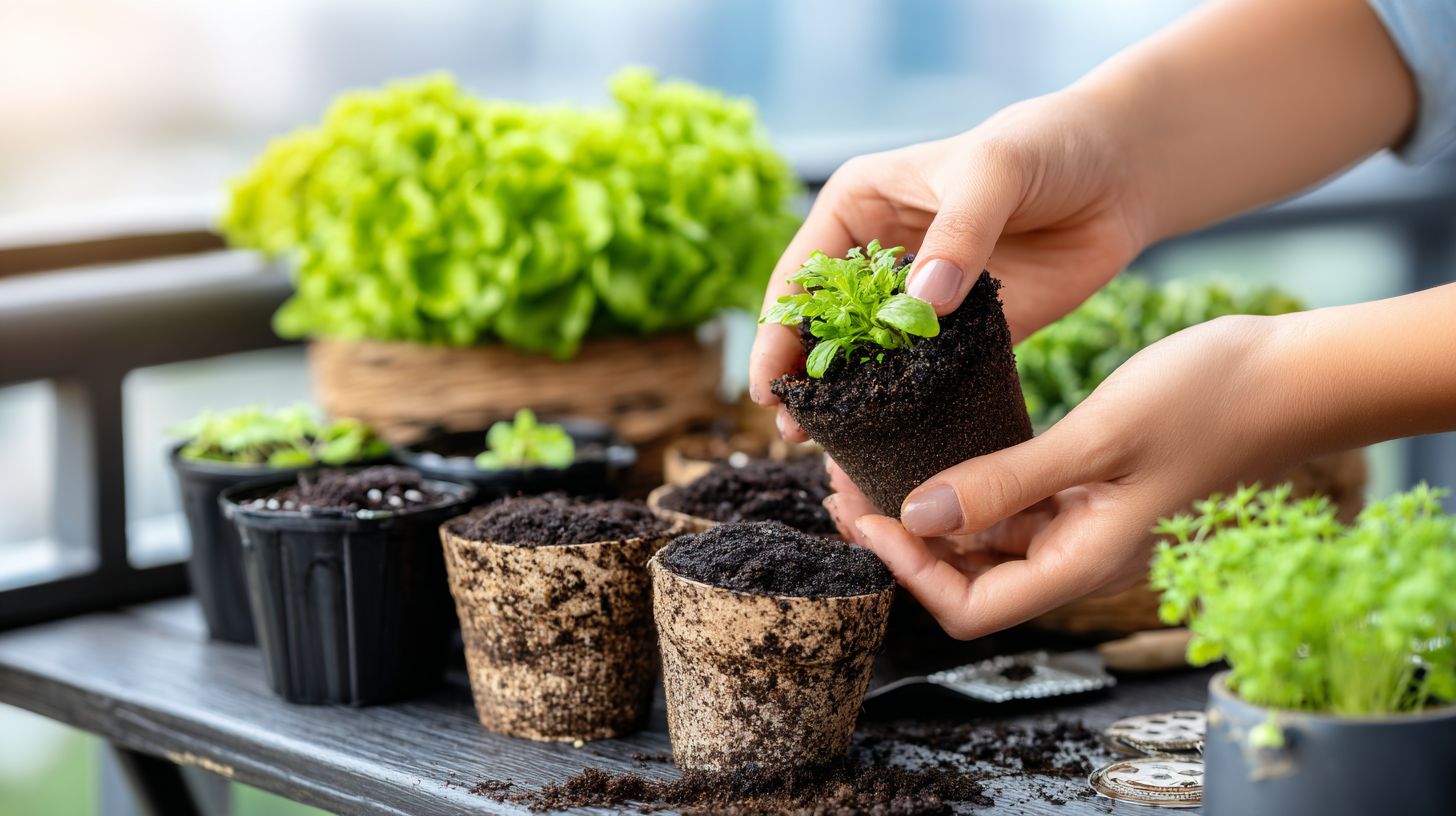
Shade balcony plants require 40-60% less water than sun-exposed containers due to reduced evapotranspiration and lower soil temperatures. Moisture control becomes essential in these cooler, sheltered spaces where water lingers longer in the potting mix. Overwatering represents the primary cause of root rot and mold development in container plants.
Implement a watering schedule of once weekly during spring growth, reducing to every 10-14 days in winter dormancy. Use a soil moisture meter to check 2-inch depth before watering. Root inspection helps confirm whether plants actually need additional moisture at each interval.
Practice the bottom watering technique by placing pots in a 2-inch water tray for 20-30 minutes and allowing capillary action to reach roots. This method keeps surface soil drier while delivering water directly to the root zone. Avoid surface crust formation by top-watering slowly with room-temperature water until drainage appears.
Monitor plant saucers after each watering session and empty any standing water within an hour. Drainage holes must remain clear to prevent waterlogged soil conditions that encourage fungal growth. Consistent attention to these details maintains healthy conditions throughout the growing season.
Improving Air Circulation
Dense foliage arrangements create dead air zones where humidity exceeds 80 percent, increasing fungal disease risk in shade balcony gardens. These stagnant pockets trap moisture around container plants and promote conditions ideal for root rot and mold development. Addressing this issue starts with creating consistent movement throughout the growing area.
Space plants 6 to 8 inches apart to allow airflow between containers. Position an exhaust fan with a 4 to 6 inch diameter on a timer for 2 hour intervals during peak humidity periods from 7 to 10am and 4 to 7pm. An oscillating fan set on low during humid summer months further supports this effort.
Prune lower leaves monthly to reduce foliage density. This simple step opens pathways for air to reach the soil surface and prevents moisture from collecting near the base of plants. Install vertical trellis systems to lift trailing varieties like ivy and philodendron off the soil surface, reducing contact points where dampness can accumulate.
These practices together create an environment where excess moisture evaporates more readily. Better air circulation helps keep potting mix from staying saturated and lowers the chances of fungal growth appearing on leaves or stems. Regular attention to spacing and movement pays off in healthier container plants over time.
Preventing Root Rot
Phytophthora and pythium pathogens cause most shade balcony plant deaths through root rot in poorly drained containers. These organisms thrive when water sits around roots for extended periods. Early detection helps gardeners save plants before serious damage occurs.
Recognize early symptoms such as wilting despite moist soil, yellow lower leaves, and brown or black roots. These signs indicate that roots are struggling to absorb water and nutrients. Regular inspection of container plants prevents small issues from becoming major problems.
Implement hydrogen peroxide treatment monthly by mixing 1 part 3 percent solution with 4 parts water. Apply roughly 1 cup per 6 inch pot to oxygenate the soil and reduce harmful pathogens. This approach improves soil aeration without disturbing plant roots.
Dust fresh cuts with cinnamon powder as a natural fungicide during any pruning activity. Repot root bound plants showing circling roots while trimming roughly one third of the root mass with sterilized pruners. Consider disease resistant varieties like peace lilies and spider plants for high risk balcony conditions.
Controlling Mold Growth
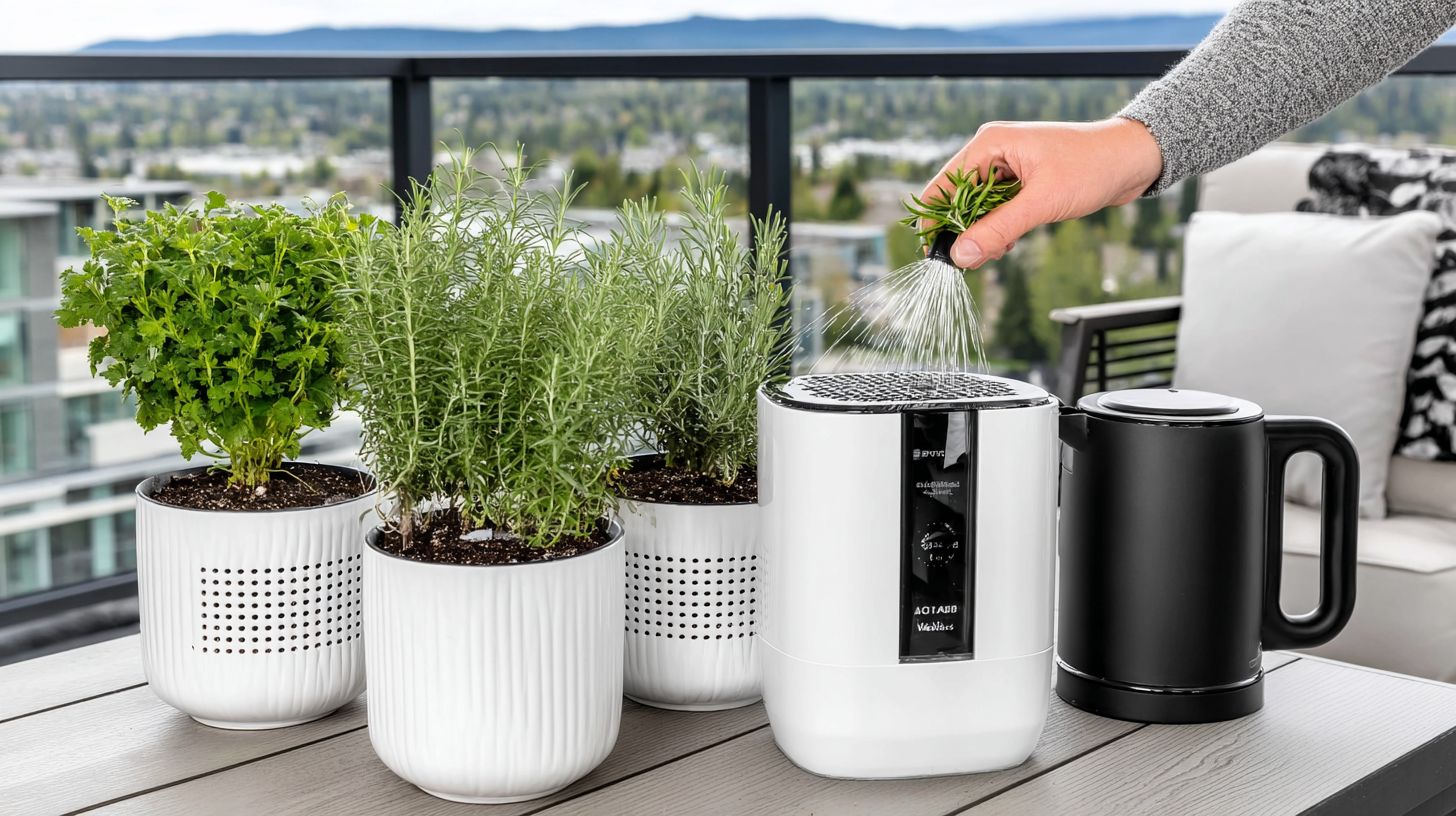
Botrytis and powdery mildew spores proliferate in shade balcony environments where humidity stays above 70% for 6+ hours daily. These fungal issues thrive when moisture lingers on leaf surfaces and in the potting mix around container plants. Early recognition helps prevent spread throughout the balcony garden.
Apply preventive neem oil spray every 14 days to keep fungal growth in check. Mix 1 teaspoon neem oil with 1/4 teaspoon dish soap and 1 quart water for the solution. Spray both sides of leaves during cooler parts of the day to avoid leaf burn.
For active powdery mildew, use a baking soda treatment applied weekly. Combine 1 tablespoon baking soda with 1/2 teaspoon liquid soap in 1 gallon water. This mixture disrupts spore germination on affected foliage while remaining safe for most shade loving plants.
Remove infected leaves promptly using isopropyl alcohol-sterilized shears to limit disease spread. Improve drainage throughout the balcony garden to reduce surface moisture where mildew spores germinate. Replace contaminated potting mix showing white or green mold growth within 48 hours to protect remaining plants.
Regular Monitoring and Maintenance
Weekly inspections catch 85 percent of shade balcony plant diseases before visible wilting occurs in container gardens. Consistent observation helps identify early signs of dampness problems that lead to root rot and mold development. Regular checks across your balcony garden prevent small issues from becoming major plant losses.
Create a simple inspection checklist to guide your weekly routine. Check leaf undersides for mites and mildew presence. Probe the soil surface for signs of compaction. Examine root color through drainage holes to spot early decay.
Maintain a garden journal to track watering dates, new growth patterns, and pest sightings over time. This record reveals patterns in your shade balcony garden that might otherwise go unnoticed. Documenting observations helps refine your approach to moisture control.
Quarantine new plants for 14 days before adding them to your balcony setup. Sterilize tools between plants using 70 percent isopropyl alcohol wipes to limit disease spread. These basic sanitation steps protect your existing container plants from contamination.
Frequently Asked Questions
What is the most effective way to deal with dampness when practicing Dealing with Dampness: How to Prevent Root Rot and Mold in a Shade Balcony Garden?
The most effective way to deal with dampness when practicing Dealing with Dampness: How to Prevent Root Rot and Mold in a Shade Balcony Garden is to ensure excellent drainage, use breathable containers, and water only when the top inch of soil feels dry.
Which containers work best for Dealing with Dampness: How to Prevent Root Rot and Mold in a Shade Balcony Garden?
For Dealing with Dampness: How to Prevent Root Rot and Mold in a Shade Balcony Garden, choose terracotta, fabric grow bags, or any pots with multiple drainage holes to allow excess moisture to escape quickly.
How often should I water plants while Dealing with Dampness: How to Prevent Root Rot and Mold in a Shade Balcony Garden?
When Dealing with Dampness: How to Prevent Root Rot and Mold in a Shade Balcony Garden, water sparingly-usually once every few days or when the soil surface is dry-since shade slows evaporation and keeps soil moist longer.
Can improving airflow help prevent mold in Dealing with Dampness: How to Prevent Root Rot and Mold in a Shade Balcony Garden?
Yes, good airflow is essential for Dealing with Dampness: How to Prevent Root Rot and Mold in a Shade Balcony Garden; space plants apart, use a small fan if needed, and prune dense foliage to reduce humidity around leaves and soil.
What soil mix is recommended for Dealing with Dampness: How to Prevent Root Rot and Mold in a Shade Balcony Garden?
A fast-draining mix containing perlite, orchid bark, or coco coir is ideal for Dealing with Dampness: How to Prevent Root Rot and Mold in a Shade Balcony Garden because it prevents water from pooling around roots.
Are there any natural remedies to control mold when Dealing with Dampness: How to Prevent Root Rot and Mold in a Shade Balcony Garden?
Yes, a light dusting of cinnamon on the soil surface or a diluted neem-oil spray can help suppress mold while Dealing with Dampness: How to Prevent Root Rot and Mold in a Shade Balcony Garden without harming plants.